
RAFFERTY is building a genre-bending “new nostalgia”
RAFFERTY doesn't do genres so much as collide them. Following the release of his latest single ‘Wasting Time,’ the rising artist opens up about the "new nostalgia" sound he's building, the influence of his film school background and the concept behind his forthcoming debut album.
Somewhere in the middle of our chat, south-london based artist and producer RAFFERTY lands on a phrase that sums him up better than any genre tag could: "new nostalgia." It's how he describes his sound — R&B, rock, trap, all of it blurred together — and it's so on-the-nose that even his mastering engineer, a veteran named Andy Baldwin, apparently had no better words for it. "He was like, I don't know what to call this, but I'm interested by it," RAFFERTY laughs. "That's all I want to hear. That's perfect."
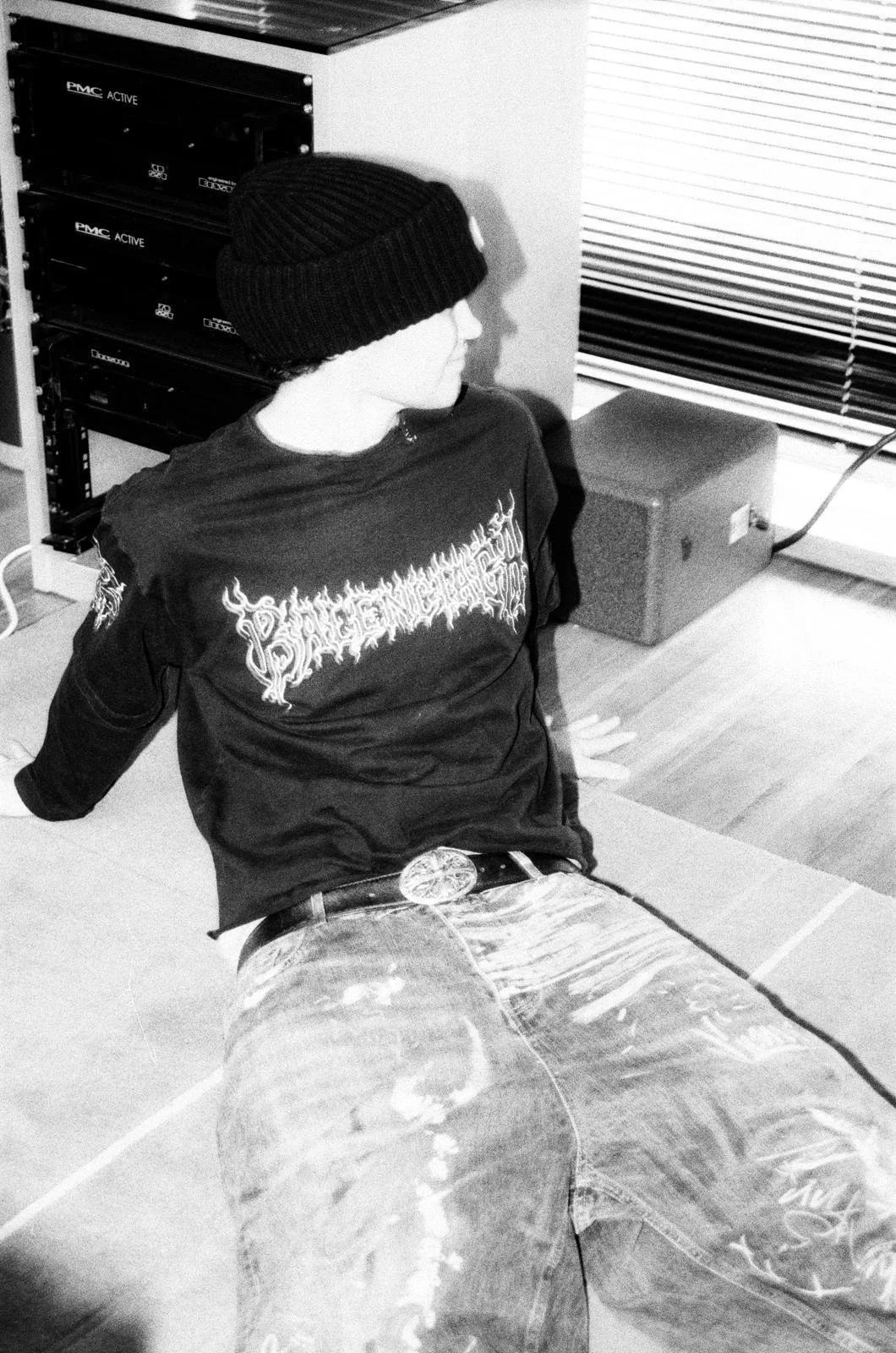
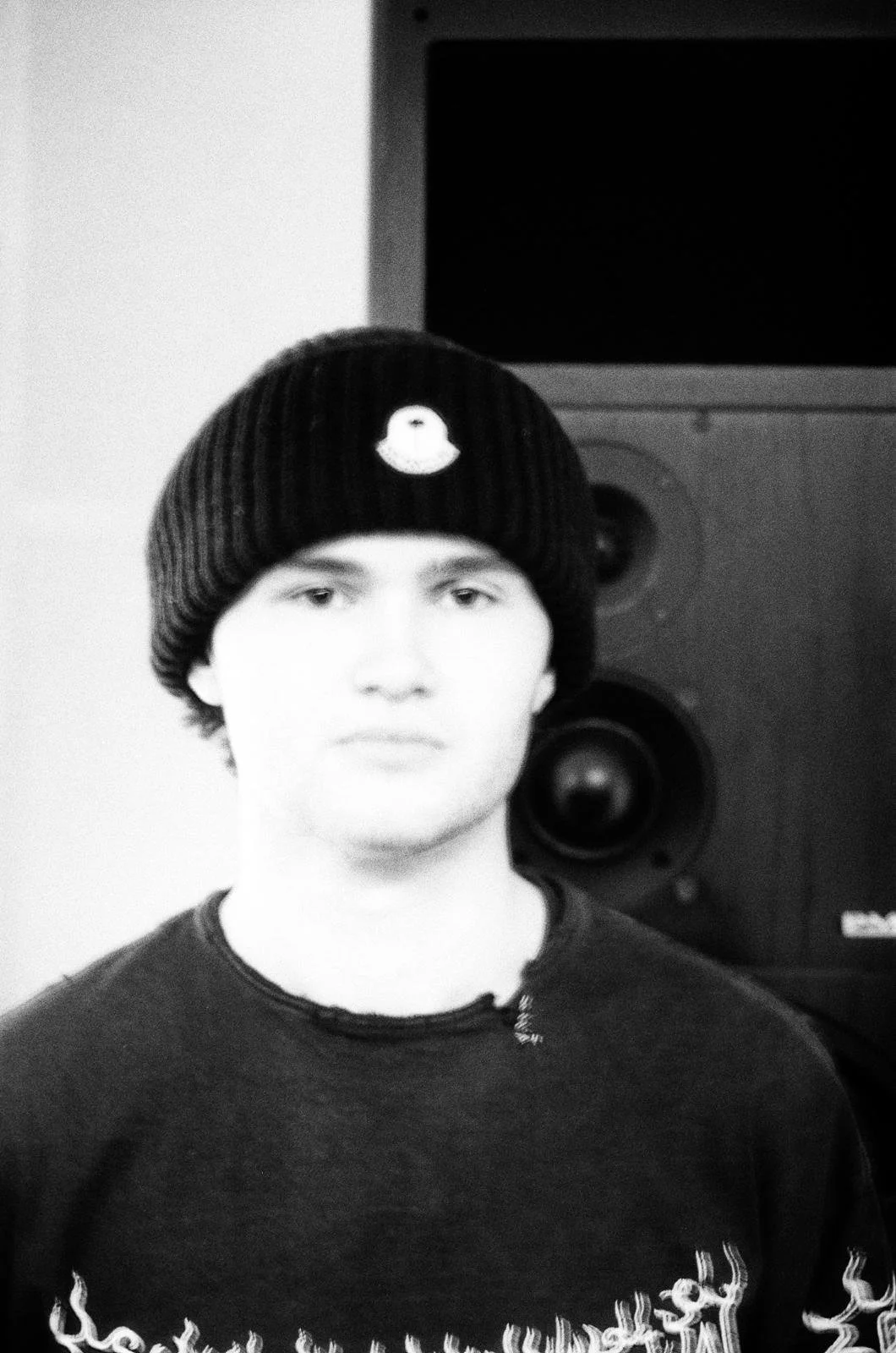
Anyone who's scrolled RAFFERTY's Instagram will have clocked the aesthetic before hearing a note: a mix of grainy, VHS-style texture butting up against clean, polished shots. It's not an accident, and it's not entirely his own doing either. Much of the visual identity, he says, comes down to his university friend Bryn, a filmmaker he met at film school who's since built a career shooting music videos. "I know what I'm doing sound-wise, and I think he really reflected the sound visually," he explains. "There's points where it is raw, and I want it to come across visually the same way."
The mixed-media approach — rough textures next to cleaner, more composed shots — mirrors what he describes as his own arc as a producer: someone who started rougher and has steadily sharpened his sound. Inspired by the likes of Radiohead and Fontaines D.C, he draws from their skills in world-building. Radiohead's capacity to make a listener feel like they're "levitating," and Fontaines D.C.'s evolution from a grungier, older aesthetic into something more polished. Artist reinvention, in general, is something he clearly admires.
©Press
Being one of the only sound-focused students in his year at film school gave him early clout, even when it backfired — "the director would be like, no, that's not quite what I was looking for". But he reckons that friction is exactly what built his range. Writing for other people's projects, he says, made him better at writing for himself: "It takes you out of your comfort zone, so then when you're in your comfort zone, you actually know how to do more."
That range shows. RAFFERTY refuses to sit in one lane — a habit he traces back to a teenage Lil Peep obsession, watching rock and trap collide. "I kind of just sit down and think: what genre do I wish existed? And then I try to replicate whatever I'm hearing in my head." Staying in one sound too long, he admits, would just bore him.
RAFFERTY's forthcoming debut album is, by his own account, an extended meditation on "the danger of love and the love of danger and how the two are so interlinked." The colour red recurs throughout the visuals — a nod, he says, to his film school education in mise-en-scène, where red can signal either romance or danger depending on context. He liked the ambiguity: the same colour holding two opposite meanings at once.
©Press
The album's structure carries that same duality. Front to back, it's a slide from healthy love into something toxic. Reversed, it's a story of healing. He says the structure wasn't planned; it just revealed itself as the songs piled up. Asked to picture standout track "First Time" as a film scene, he goes straight to the end of La La Land — that ache of a love you can never quite get back, even if you got it back. "Would it even be the same?"
Five years from now, he's not hoping for a specific sound or a scene to belong to — just to still be restless. "I would hope for a sense of sonic exploration," he says. "Not stick to one thing." Staying uncomfortable, on purpose, might be the whole point. The visuals, the genre-hopping, the reversible concept album — taken together, they point to an artist who treats settling as the real risk.