Indie music has a gatekeeping problem
Everyone says they want independent artists to succeed—until they actually do. Indie music has a strange habit of celebrating discovery while resenting growth.
For a scene that constantly talks about wanting independent artists to succeed, indie music can be surprisingly hostile to success.
We’ve all seen it happen. Someone discovers a new band playing to fifty people in a back room somewhere and immediately treats them like a secret. They don’t want to post about them. They don’t want to tell their friends. They don’t want to see them grow. They don’t want the band’s songs ending up on radio. The goal isn’t to help the artist grow. The goal is to preserve the feeling of having discovered them first. Then, inevitably, the artist starts gaining traction. The rooms get bigger. The streams go up. The festival slots get higher. Suddenly the same people who were championing them are complaining that they’ve become “too mainstream.”
But what exactly is the alternative? If you genuinely love a band, shouldn’t you want them to succeed? Shouldn’t you want them to be able to quit their day jobs? To afford better tours? To make records without worrying whether they can pay rent? Shouldn’t you want to see them moving up a festival lineup rather than staying stuck on the smallest stage forever?
Somewhere along the way, parts of indie culture started treating growth as a betrayal rather than a victory. There’s this strange expectation that artists should remain frozen at the exact moment fans discovered them. Big enough to keep making music, but not so big that other people start listening. Successful, but not too successful. The irony is that many of these same people spend their time talking about how guitar music needs a comeback. Every year there are conversations about the lack of bands in mainstream culture. About how rock isn’t where it used to be. About how festival lineups need more guitar-forward artists. About how the industry doesn’t develop bands anymore.
Yet when an alternative artist actually starts breaking through, a portion of the audience immediately turns on them. The moment they escapes the confines of a niche scene, they’re accused of selling out. The moment they gain wider appeal, they’re no longer considered interesting. You can’t complain about the lack of new guitar bands while actively rejecting the ones that achieve scale.
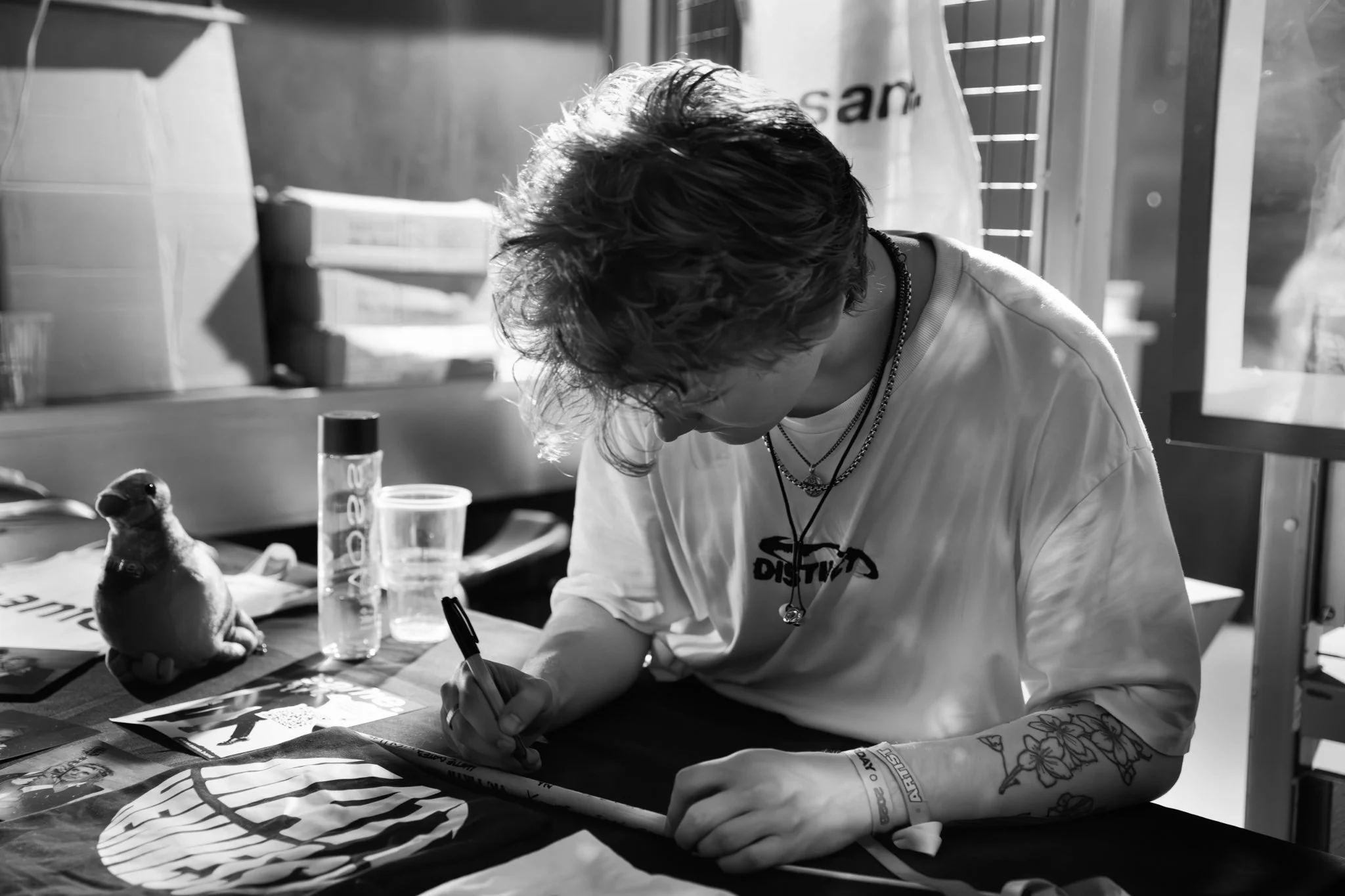
© Amandine Charles Hotz
The two positions don’t work together. What’s even stranger is that this attitude often has very little to do with the music itself. A band’s sound might not have changed at all. The songwriting is the same. The live show is the same. The records are still good.
The only difference is that more people know who they are. Some fans become attached to the identity that comes with discovering an artist early. Once everyone else catches up, that identity loses some of its exclusivity. The band didn’t change but the social value of knowing them did. That’s where gatekeeping starts to reveal itself. Because music isn’t supposed to be a private members club. The best songs deserve to travel. The best artists deserve bigger audiences. If a band you’ve followed since day one ends up headlining a festival, that’s not a loss. That’s proof that the music connected with people beyond your immediate circle.
And isn’t that the whole point?
Independent music needs growth stories. It needs artists who can move from tiny venues to sold-out theatres. It needs bands that can prove guitar music still has a place in the wider cultural conversation. Most importantly, it needs fans who understand that success and authenticity aren’t mutually exclusive.
Not every artist who gets bigger is selling out. Sometimes they’re just getting the audience they deserved all along.